
Guest Post by Henry George
Customers interact with businesses through many different channels. They may visit a website, open an email, use a mobile app, join a loyalty program, contact customer support, or make a purchase at a physical location.
Each interaction creates useful information about the customer.
The challenge begins when this information stays in separate systems. A CRM may contain customer details, while an ecommerce platform stores purchase history and a loyalty system tracks rewards. Marketing platforms may hold campaign activity, while customer support tools contain previous conversations.
When these systems do not share information, marketing teams may struggle to understand what customers actually need.
Data integration helps bring this information together. By connecting different MarTech systems, businesses can create a more complete view of customer activity and use that information to make communication more relevant.
This can improve personalization, strengthen customer engagement, and help marketing teams respond to customers based on their actual interactions rather than limited or outdated information.
What Is Data Integration in MarTech?

Data integration is the process of connecting different systems so they can exchange information.
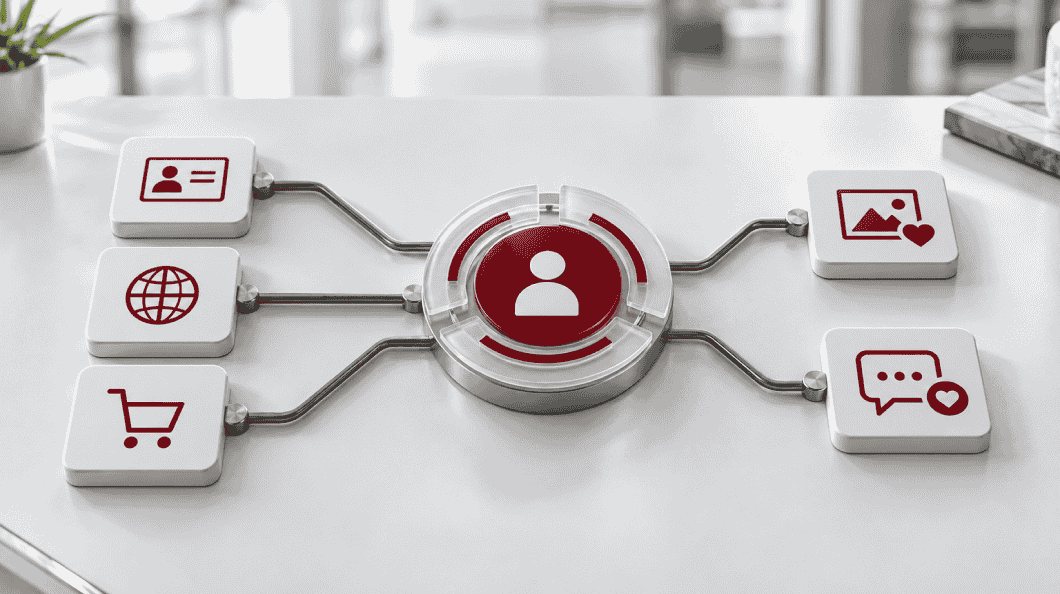
In a MarTech environment, this may involve connecting a CRM with a CMS, loyalty platform, customer data platform, ecommerce system, analytics tool, or other marketing applications.
For example, a customer may update their profile on a company's website. Through an API integration, that information can be sent to the CRM and other connected systems. When the customer later interacts with a marketing campaign, the latest information can be available to the marketing team.
The exact systems will vary from business to business. What matters is that useful customer information can move between the platforms that need it.
Without integration, teams may need to collect information manually or work with separate databases. This makes it harder to understand customer behavior and can slow down marketing activities.
Why Disconnected Data Makes Personalization Difficult
Personalization depends on having enough relevant information about the customer.
Consider a customer who has purchased from a business several times but has not interacted with its marketing emails recently. If the email platform does not have access to purchase information, the business may treat that customer like someone who has never purchased.
The customer could receive an introductory promotion instead of recommendations related to previous purchases.
This is not necessarily a problem with the marketing message itself. The problem is that the system does not have enough information to make the message relevant.
Disconnected data can also create duplicate customer records. A person may appear differently in several systems because each platform stores their information separately.
When customer data is scattered across platforms, marketing teams may have difficulty answering simple questions:
- What has this customer purchased?
- Which campaigns have they interacted with?
- Are they part of a loyalty program?
- What communication preferences have they selected?
- When was their last interaction with the business?
Data integration helps bring these pieces together so businesses can make better use of the information they already have.
Creating a More Complete Customer View
One of the biggest benefits of data integration is the ability to create a more complete customer view.
Instead of looking at information from one platform at a time, marketing teams can connect information from multiple sources.
For example, a business could combine:
- Customer profile information from a CRM
- Website activity from a digital platform
- Purchase information from an ecommerce system
- Loyalty activity from a rewards platform
- Campaign interactions from marketing tools
When these data sources work together, businesses can better understand the customer's relationship with the brand.
This does not mean every system needs to store every piece of information. Each platform can continue performing its specific role while sharing the data required by other systems.
The result is a connected environment where teams can work with more useful customer information without constantly switching between disconnected platforms.
Using Customer Data for More Relevant Communication
Personalization becomes more useful when businesses base communication on actual customer behavior.
A customer's recent activity can provide useful context for deciding what message they should receive next.
For example, someone who recently purchased a product may need setup information, usage tips, or related products. A customer who has shown interest in a particular service may respond better to information about that service than to a general promotion.
Data integration allows marketing systems to access this type of information from different sources.
A CRM can provide customer history. An ecommerce system can provide purchase information. A loyalty platform can show reward activity. When these systems are connected, marketing teams can use the combined information to create more relevant campaigns.
This can also reduce unnecessary communication.
If a customer has already completed a purchase, the business may not want to continue sending them messages designed to encourage that same purchase. Connected data can help marketing systems recognize what has already happened and adjust future communication.
Improving Engagement Across Multiple Channels
Customer engagement does not happen through one channel.
A customer may first discover a brand through a website, receive an email later, interact with a mobile application, and contact customer support before making a purchase.
If these channels operate separately, each interaction can feel disconnected.
For example, a customer may tell a support representative that they already purchased a product, while the marketing system continues sending promotional messages encouraging them to buy it.
Connecting customer data across channels can reduce situations like this.
When marketing, sales, customer service, and other systems have access to relevant information, customers can receive communication that better reflects their previous interactions.
This creates a more consistent experience without requiring every channel to use the same platform.
Real-Time Data Makes Personalization More Useful
Personalization is not only about having customer data. The information also needs to be available at the right time.
A customer's situation can change quickly.
They may complete a purchase, update their communication preferences, join a loyalty program, cancel a service, or interact with a new campaign. If connected systems do not receive these updates quickly, marketing teams may continue working with old information.
Real-time integration can help reduce this problem.
For example, when a customer completes an action, an API can send the relevant information to another connected system immediately. The marketing platform can then use the updated information when deciding what communication should happen next.
Not every type of data needs to be updated in real time. Some information can be synchronized on a schedule. The important point is to identify which customer events require immediate updates and design integrations around those needs.
Better Data Creates Better Opportunities for Engagement
Customer engagement improves when businesses understand what customers are doing and respond with useful communication.
Data integration provides the foundation for this by connecting information that would otherwise remain isolated.
Instead of relying on a single interaction, businesses can consider the wider customer journey. They can see previous purchases, campaign responses, loyalty activity, website behavior, and other relevant information across connected systems.
This helps marketing teams move away from generic communication and focus more on what is useful to each customer.
The goal is not to personalize every message simply for the sake of personalization. The goal is to use available information to make communication more timely, relevant, and useful.
Better Customer Segmentation Through Connected Data
Customer segmentation helps businesses group customers based on shared characteristics, interests, or behaviors. However, segmentation becomes difficult when relevant information is spread across different systems.
A CRM may know a customer's location and basic profile details, while an ecommerce platform knows their purchase history. A loyalty system may show their reward activity, and a marketing platform may track email engagement.
When these systems are connected, businesses can create more useful customer segments.
For example, a business could identify customers who have purchased recently but have not interacted with marketing emails. Another segment could include loyal customers who regularly engage with the brand but have not made a purchase recently.
These groups can receive different messages based on their actual relationship with the business.
Connected data also allows businesses to update segments when customer behavior changes. Someone who was previously a potential customer may become a buyer after completing a purchase. The marketing system can then move them into a more relevant customer segment.
Supporting the Customer Journey With Connected Data
Personalization becomes more effective when businesses understand where customers are in their journey.
A new visitor may need educational content that explains a product or service. Someone who has already purchased may need onboarding information or support. A long-term customer may be more interested in loyalty benefits or relevant new offerings.
Without connected data, marketing teams may have limited information about these stages.
Data integration allows information from different customer touchpoints to contribute to a broader view of the journey. Website activity, purchases, support interactions, loyalty activity, and campaign responses can all provide useful context.
This helps businesses create communication that matches the customer's current relationship with the brand instead of treating every person in the same way.
Making Marketing Decisions With More Useful Data
Data integration can also improve how marketing teams analyze performance.
When information sits in separate platforms, teams may need to compare reports manually. This can make it harder to understand how different activities influence customer behavior.
Connected systems can make it easier to bring relevant information together.
For example, a business may compare campaign engagement with purchase activity to understand whether a campaign generated meaningful customer actions. It could also examine loyalty activity alongside marketing interactions to identify patterns in customer engagement.
This does not mean that every system needs to feed every piece of information into one database. The goal is to make the right information available for the decisions that marketing teams need to make.
Better-connected data can reduce manual reporting and give teams more context when evaluating their campaigns.
Common Challenges With MarTech Data Integration
Although data integration provides many benefits, connecting MarTech systems is not always simple.
Different platforms may use different data formats, APIs, authentication methods, and naming conventions. One system may identify a customer using an email address, while another may use a customer ID.
Data quality can create another challenge. Duplicate records, missing fields, outdated information, and inconsistent customer details can affect the accuracy of connected systems.
Businesses also need to consider security and privacy when moving customer information between platforms. Access controls should determine which systems and users can access specific information.
These issues should be considered before development begins. Understanding the existing data environment can help teams identify integration requirements and potential problems early.
Choosing the Right Integration Approach
There is no single integration method that works for every MarTech environment.
APIs are useful when systems need to exchange information directly. They can support real-time updates and allow applications to request or send specific data.
Middleware can also help when several systems need to communicate. Instead of creating separate connections between every platform, an integration layer can manage data movement and transformation.
In some situations, scheduled data synchronization may be enough. If information does not need to change immediately, a scheduled process can transfer updates at regular intervals.
The right approach depends on the business requirements, the systems involved, the type of data being exchanged, and how quickly that information needs to be available.
Building a More Connected MarTech Environment
Businesses do not always need to replace their existing MarTech stack to improve personalization and engagement. Often, the existing systems already contain valuable information. The bigger problem is that these systems cannot communicate effectively.
A practical approach is to first identify where the biggest data gaps exist. Businesses can then determine which systems need to exchange information and which customer events require immediate updates.
For organizations with complex marketing technology environments, data integration services can help connect existing platforms and make customer information available across the systems that need it. This can include CRM, CMS, ecommerce, loyalty, and marketing platforms, along with APIs and data synchronization processes. Connecting these systems can help businesses create a more consistent flow of customer information without replacing technology that is already working well.
The focus should remain on solving the actual business problem. If an existing CRM, CMS, or loyalty platform works well, there may be no reason to replace it. A well-designed integration can extend what these systems can already do while giving marketing teams better access to the information they need for personalization and customer engagement.
Measuring the Impact of Data Integration
After connecting systems, businesses should measure whether the changes are improving marketing and customer engagement.
The right metrics depend on the business, but useful areas may include email engagement, conversion rates, repeat purchases, loyalty activity, campaign response, and customer retention.
Businesses can also look at operational improvements. If marketing teams spend less time combining reports or correcting customer records, that can be an important benefit of better data integration.
It is also useful to monitor the quality and reliability of data flows. Failed API requests, delayed updates, duplicate records, and synchronization errors can affect the customer experience even when the marketing strategy itself is sound.
Regular monitoring helps teams identify these problems and improve the integration over time.
Conclusion
Personalization depends on having useful customer information at the right time. When that information is scattered across separate MarTech systems, businesses may struggle to understand customer behavior and deliver relevant communication.
Data integration helps solve this problem by connecting information across CRM platforms, websites, ecommerce systems, loyalty programs, marketing tools, and other customer touchpoints.
With connected data, businesses can create more complete customer views, improve segmentation, support more relevant communication, and understand customer journeys more clearly. Real-time integrations can also help marketing teams respond to important customer actions without relying on outdated information.
The goal is not simply to connect as many systems as possible. Businesses should connect the systems that need to work together and make the right customer information available where it can create value.
When data integration is planned around real business needs, it can turn disconnected MarTech systems into a more useful environment for personalization, engagement, and long-term customer relationships.