
Guest Post by Mark Tanner
For e-commerce business owners running growth-focused online stores, the core challenge is clear: customer expectations are rising while margins, ad efficiency, and fulfillment demands keep tightening. In this environment, digital technology integration stops being a back-office upgrade and becomes the difference between staying relevant and getting outrun. The most resilient brands treat operations, marketing, inventory, and customer service as connected systems, because disconnected tools create blind spots and slow decisions. Done well, digital transformation builds competitive advantage in e-commerce through faster execution and more consistent customer experiences, making digital transformation urgency a practical response to today's online retail challenges.
Understanding Digital Integration in E-Commerce

Digital integration means your store runs as one coordinated system, not a stack of isolated tools. At the center is data integration, which creates a unified view by combining data from your storefront, ads, inventory, and support. Cloud computing keeps that shared setup accessible and scalable, while big data analytics and AI turn it into decisions and automation, and mobile apps extend the experience to customers and staff.
It matters because connected systems reduce costly guesswork. When information flows cleanly, you can spot stock risks earlier, personalize offers faster, and resolve tickets with full context. That consistency protects margins and improves the customer experience at the same time.
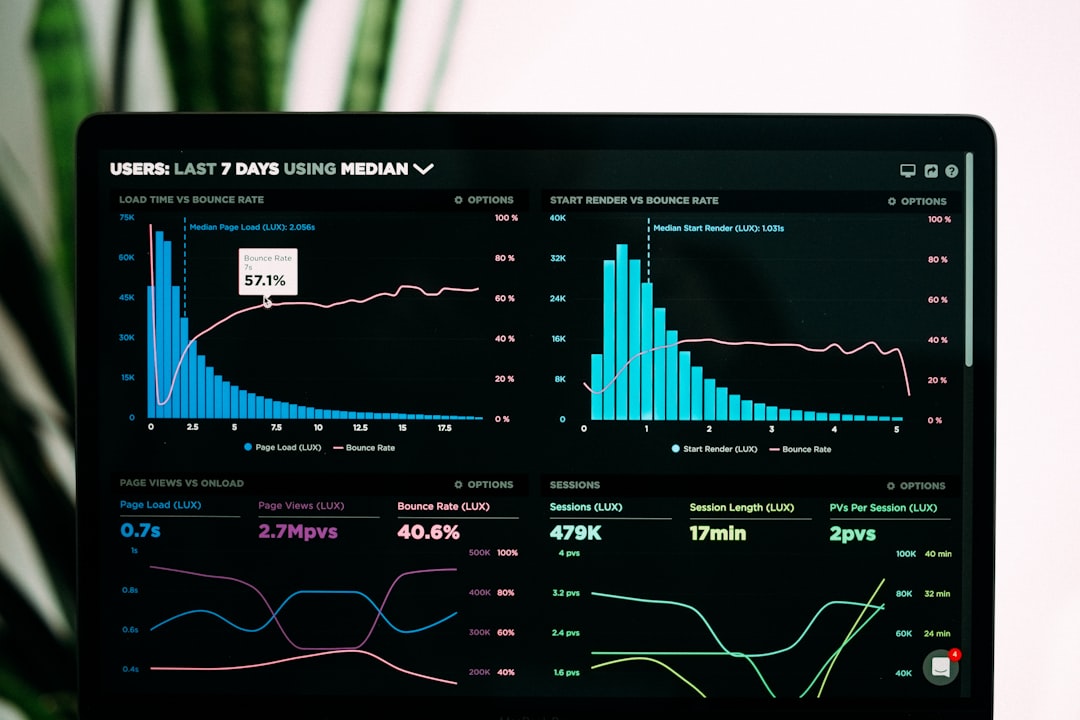
Think of it like upgrading from separate spreadsheets to one live dashboard. A promotion launches, inventory updates, and customer messages adjust automatically across channels. Your team works from the same truth instead of chasing updates. That foundation makes AI-generated product visuals easier to scale without losing brand consistency.
Scale Product Imagery Faster With Text-to-Image Generation
Once your systems are integrated, one of the fastest wins is speeding up the visuals that power product discovery and conversion. AI-generated images let e-commerce teams create engaging visual content quickly, so you can keep marketing creative fresh without waiting on long production cycles. With text prompts, you can generate on-brand imagery for product listings and promotional campaigns, iterate on variations for different audiences, and maintain a consistent look across channels, from product pages to paid ads to social media posts. Tools such as the Adobe Firefly picture generator AI illustrate how text-to-image capabilities can streamline content creation, making them a practical addition to a comprehensive digital strategy for e-commerce.
Map → Pilot → Integrate → Measure → Improve
Digital tools work best when you introduce them in a predictable cadence, not as one-off projects. This workflow helps you move from quick wins to durable operations by aligning each tool to a business area, an owner, and a measurable outcome. It also reduces the risk of tool sprawl, since poor digital adoption can stall value even after you invest.
| Stage | Action | Goal |
|---|---|---|
| Map the journey | List workflows from discovery to post-purchase support | Clear priority list tied to customer impact |
| Choose one use case | Select a bottleneck and define success metrics | Small scope with measurable wins |
| Pilot and document | Test tools, capture steps, and assign owners | Repeatable process anyone can run |
| Integrate data flows | Connect store, inventory, CRM, and analytics | One source of truth across teams |
| Measure and adjust | Review dashboards weekly, refine rules and content | Continuous gains without operational churn |
Each stage feeds the next: mapping creates focus, piloting creates proof, and integration makes results scalable. Measurement then keeps the system honest, so improvements compound instead of resetting. Start small, keep the rhythm, and let clarity do the heavy lifting.
Habits That Keep Your E-Commerce Tools Working
Digital transformation sticks when your team treats tools like daily equipment, not a one-time install. These habits create a lightweight cadence for training, monitoring, and cleanup so your store gets smarter each week without adding chaos.
Weekly Dashboard Review
- What it is: Check revenue, conversion, returns, and fulfillment KPIs in one dashboard.
- How often: Weekly
- Why it helps: You catch small drops early and fix them before they compound.
30-Minute Process Walkthrough
- What it is: Screen-record one key task and update the steps in your shared wiki.
- How often: Weekly
- Why it helps: Faster onboarding and fewer “only Alex knows” processes.
Micro-Training Block
- What it is: Run a 15-minute practice on one feature tied to a real task.
- How often: Weekly
- Why it helps: In-depth employee training programs can correlate with stronger income per employee.
Integration Health Check
- What it is: Verify orders, inventory, and customer data match across connected systems.
- How often: Weekly
- Why it helps: Clean data prevents wrong stock counts and bad targeting.
Tool Sprawl Cleanup
- What it is: Remove unused apps, duplicate reports, and redundant notifications.
- How often: Monthly
- Why it helps: Fewer tools means clearer ownership and lower operating costs.
Pick Two Digital Upgrades to Scale and Stay Resilient
E-commerce leaders face a constant tension: customer expectations rise while systems, teams, and processes strain to keep up. The path forward is a disciplined mindset of digital integration paired with ongoing optimization, so tools stay aligned with how the business actually operates. When applied well, technology-driven transformation improves speed, accuracy, and visibility, fueling e-commerce business growth while creating competitive differentiation that's hard to copy. Digital integration turns scattered tools into a scalable operating system for growth.